Achievements
Two Days, Two Realities: What I Learned About the Future of Philippine Farming
This trip displayed how two communities presented a clear contrast in their approaches to agriculture, modernization, and growth.
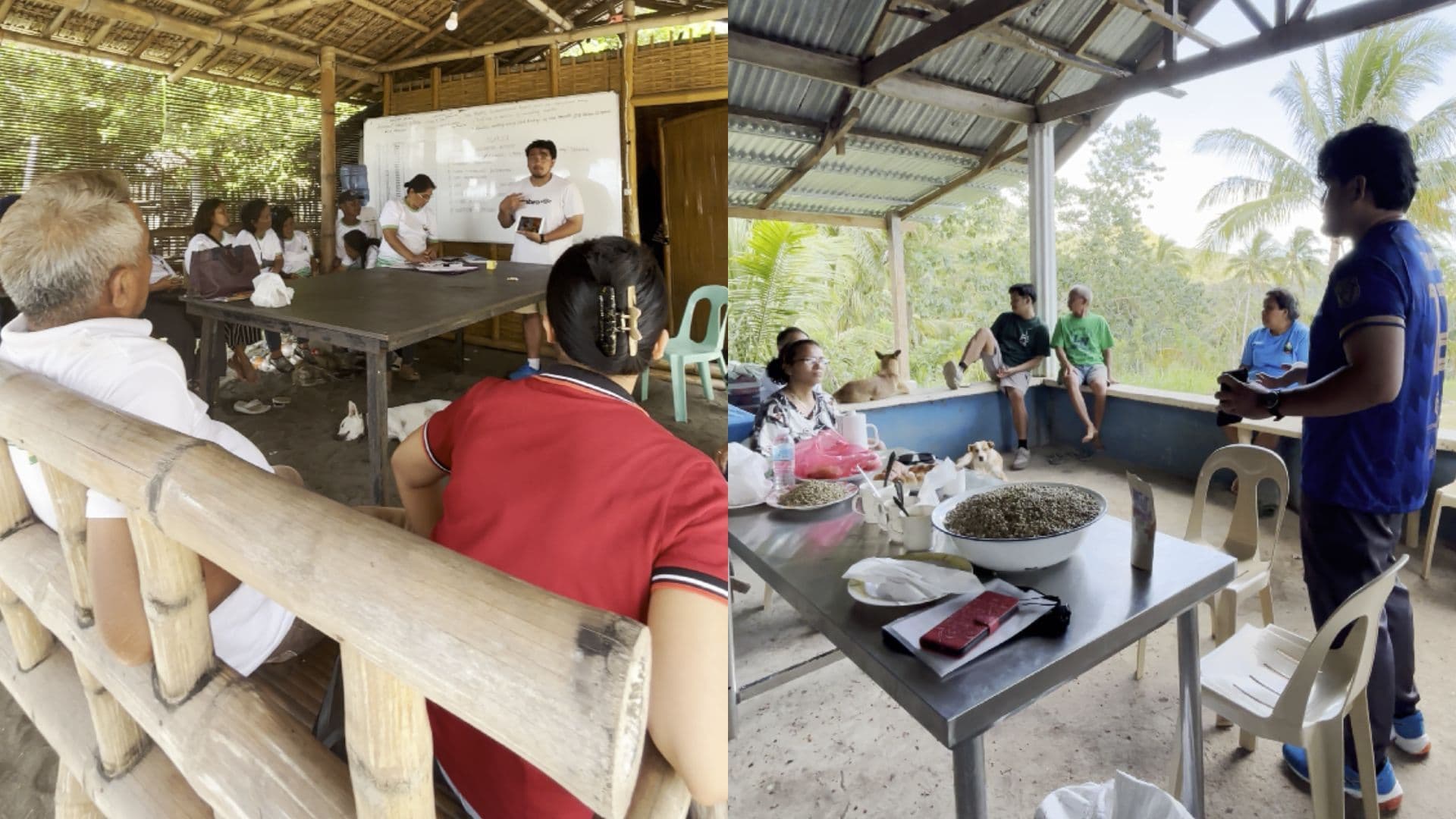
The transformation of Philippine agriculture is currently defined by a widening divide between two distinct archetypes of producers. On one side, a growing cohort of farmers is actively embracing modern initiatives. On the other side, a significant portion of the agricultural sector still remains tethered to traditional practices, often characterized by subsistence farming, fragmented landholdings, and a reliance on informal, opaque networks.
In March of this year, Vince and I (Gab) traveled to my hometown of Zamboanguita in Negros Oriental to connect directly with the local agricultural community. Our trip began at the Municipal Hall, where we met with local government officials and agriculture officers to introduce our company and lay the groundwork for strategic LGU collaborations. Gracious with their support, the officials gave us the opportunity to sit in on a joint meeting with members from various municipal farm and fishery associations.
Sitting in that room gave us our first direct look into the day-to-day realities facing these agricultural producers. While their dedication to the land and sea was undeniable, our conversations and observations quickly revealed fundamental gaps that held them back from true economic mobility. Most farmers were managing their livelihoods on immediate cash cycles, without the tools to track margins, plan cash flow, or evaluate long-term return on investment. This gap directly impacted how they valued educational programs. Despite having access to fully funded TESDA technical courses and agri-seminars, high absentee rates and low completion numbers showed a distinct lack of engagement—these opportunities were often perceived as tedious obligations rather than stepping stones to growth. And despite having access to government-backed financial assistance to expand crop production or upgrade equipment, farmers showed severe hesitation toward applying for low-interest loans. The intimidating documentation, fear of default, and lack of credit confidence remains as a huge challenge for these farmers.
The following day proved to be more promising, as we were brought to a renowed cooperative in Malungcay, Diot where coffee and cacao are the prominent commodities. Back in 2019, LATAP Agricultural Cooperative was ranked top 20 in the Philippine Coffee Quality Competition (PCQC). We were introduced to Renato Cafino, one of the head officers and bookkeeper from LATAP and their members.
As other farmers displayed a stigma towards modernization, LATAP actively leveraged institutional support to build a commercial supply chain:
- Environmental Stewardship (DENR): They collaborated with the Department of Environment and Natural Resources to protect the high-altitude forest canopy safeguarding their coffee crops.
- Branding & Market Readiness (DTI): They partnered with the Department of Trade and Industry to upgrade their packaging, compliance, and retail presentation.
- Technology & Processing (DOST): They secured modern processing equipment and machinery through the Department of Science and Technology.
- Private Sector & NGO collaboration: They engaged private businesses for advanced farming techniques, quality control, and direct market access.
Comparing the two days highlighted our core mission. Zamboanguita exposed the baseline reality of fragmented, risk-averse smallholders stuck in survival mode. LATAP demonstrated what becomes possible when organized farmers embrace financial structure and actively aggregate public and private support to scale.