Founder Stories
My Trip to Negros: A Failed Business That Became the Foundation of Tabo
The biggest challenges in agriculture are often not about production, but about the lack of connections between farmers, markets, information, and opportunities.
Back in 2023, before Tabo even existed, I tried starting a small logistics and trading business. The idea was simple: buy agricultural products like vegetables, copra, charcoal, and other farm goods from Negros, transport them to Cebu, and bring products back to Negros.
That business never took off.
Ironically, what looked like a failure ended up becoming one of the most valuable learning experiences I’ve ever had.
Looking Beyond the Products
While researching potential suppliers, I was introduced to the local governments of La Libertad and Santa Catalina.
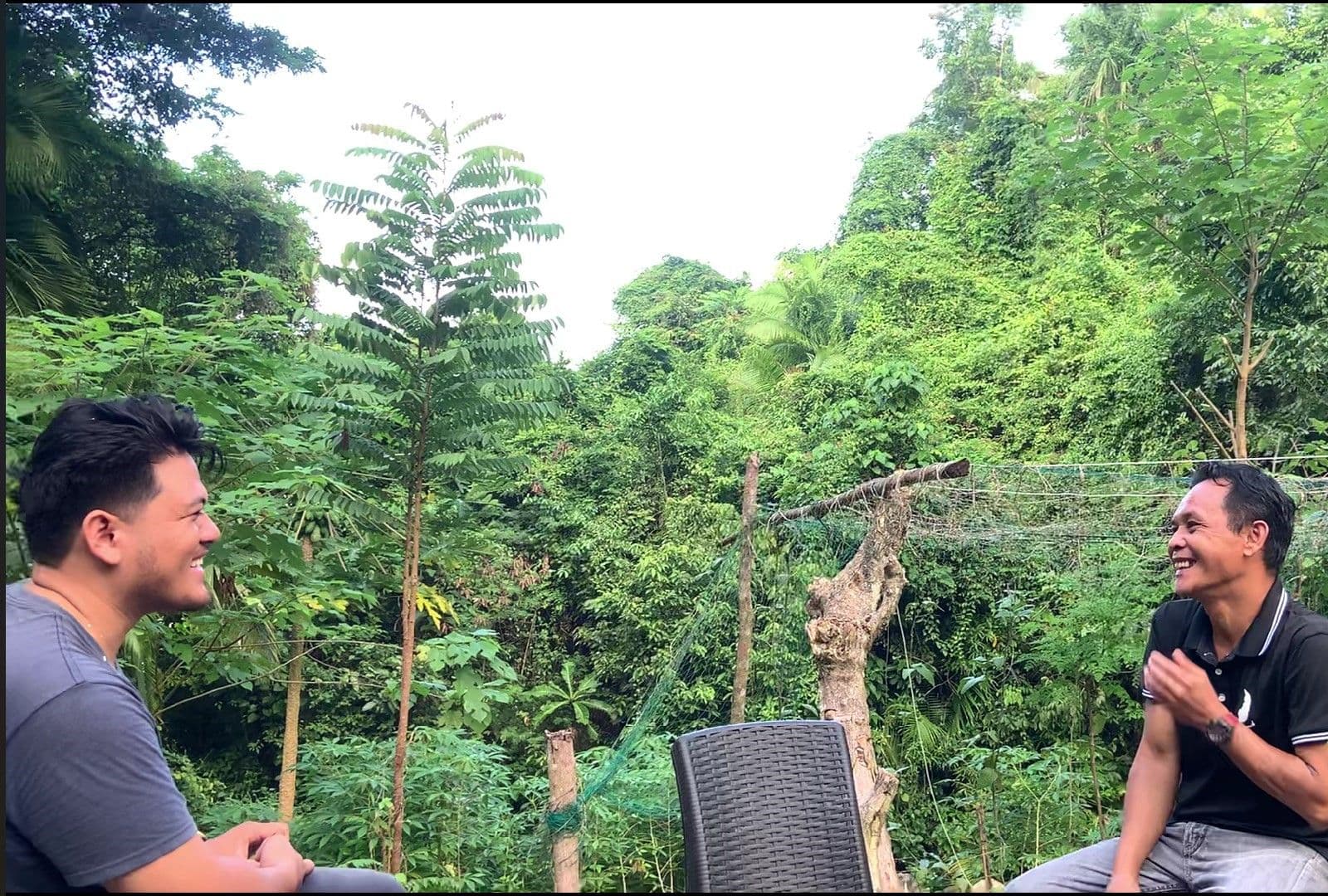
In La Libertad, I met then-Mayor (now Congressman) Emmanuel Iway, who connected me with Municipal Agriculture Officer Markim Cu. Through them, I visited farms, explored public markets, met local farmers, and attended meetings with their agricultural organizations.
Initially, I was only looking for products to buy.
But after spending time with the farmers and seeing how the local markets operated, I found myself asking a different question:
Why weren’t these products already reaching bigger markets?
The Real Problem
The answer wasn’t because farmers lacked quality products.
It was because many simply lacked access.
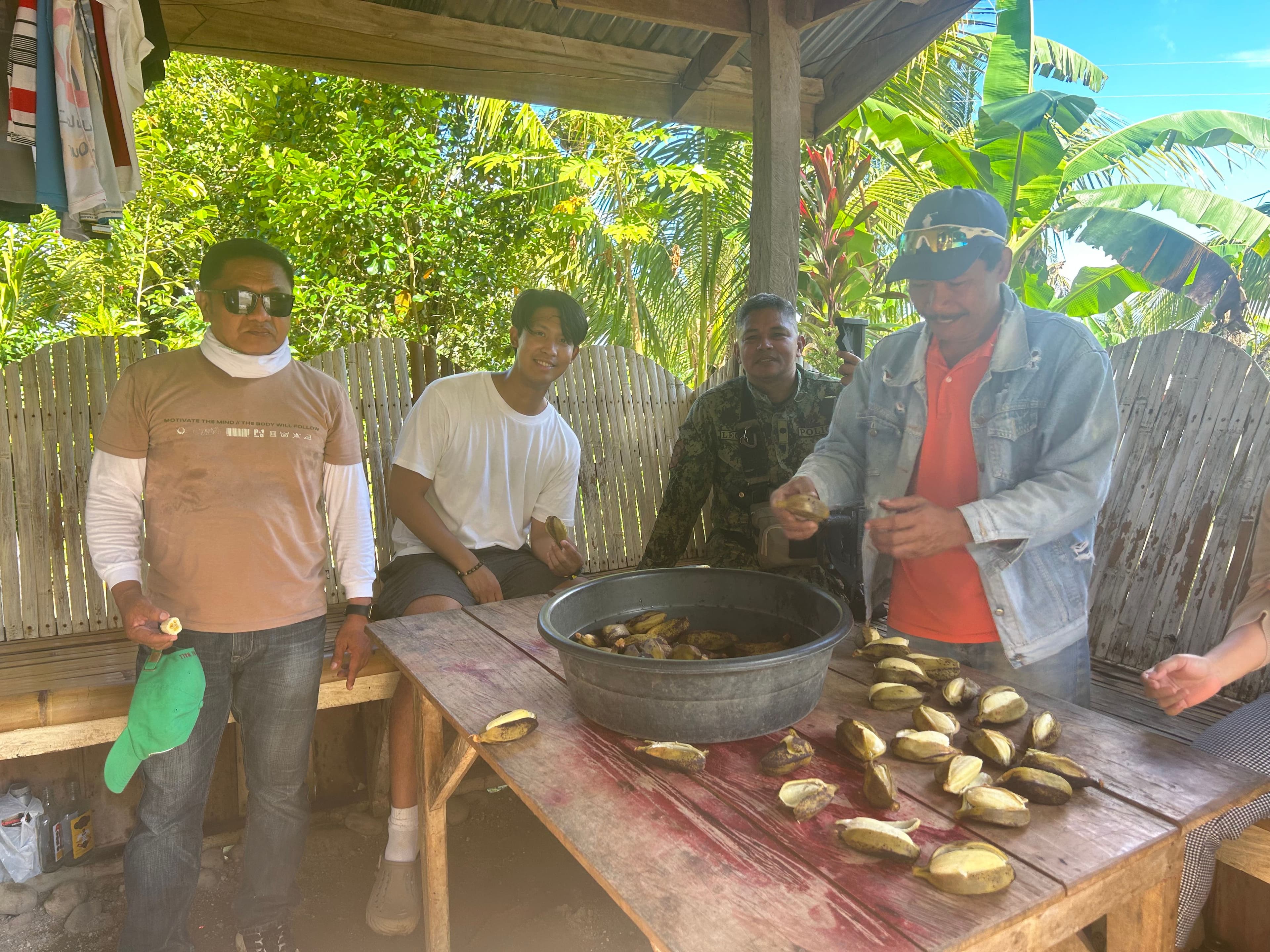
I saw agricultural products being sold for prices far below what they could command elsewhere. Cardaba bananas, for example, were selling for around ₱1 per piece.
The issue wasn’t necessarily production. Farmers were producing, but many had limited access to buyers and markets beyond their immediate communities.
I also discovered something that surprised me.
La Libertad is home to one of the country’s largest livestock auction markets. Yet outside the province, very few people even know it exists.
That realization stuck with me.
Sometimes the problem isn’t production. Sometimes the problem is visibility.
A Pattern Across Municipalities
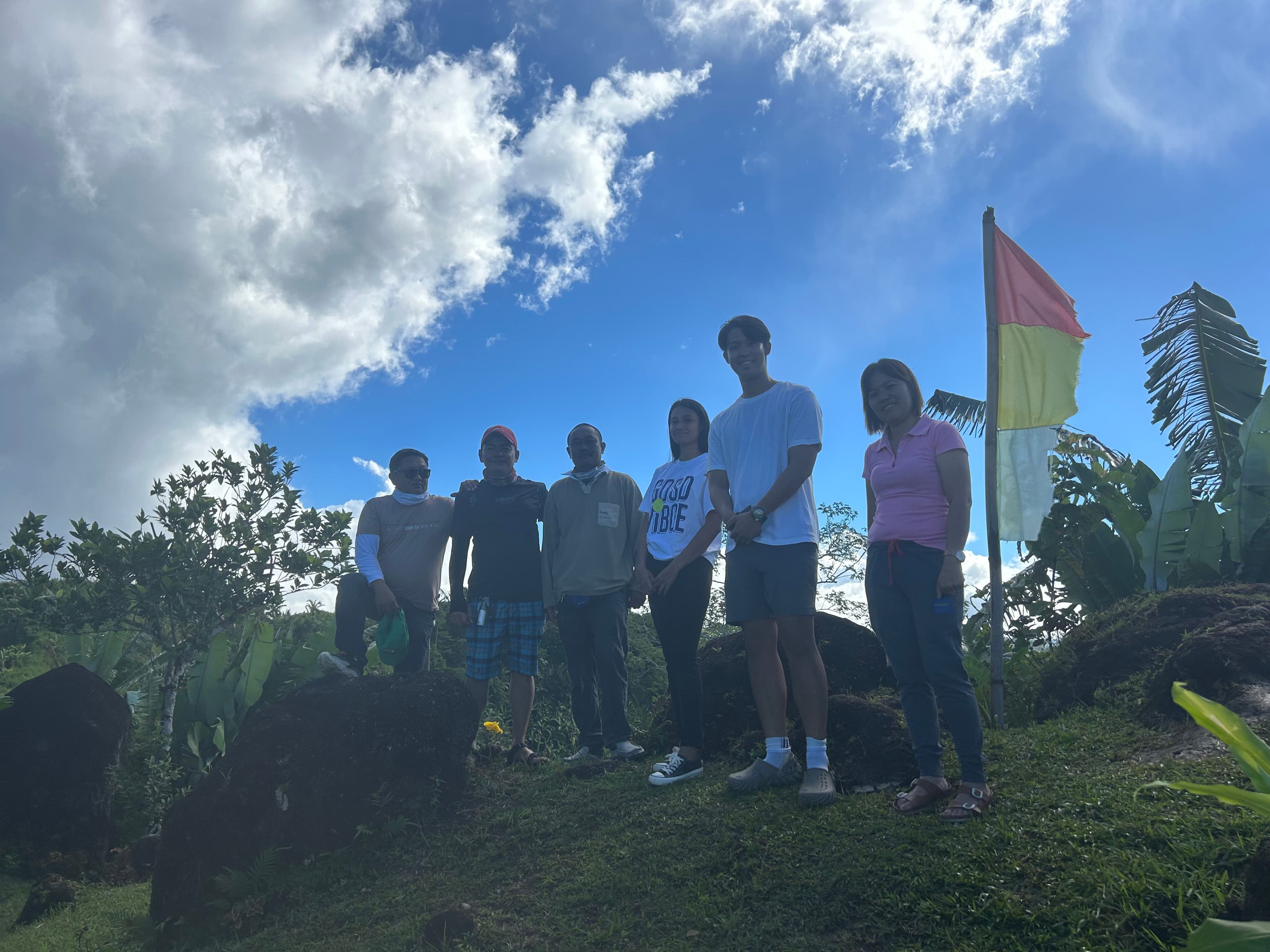
When I visited Santa Catalina, I saw a similar story.
The municipality has an abundance of agricultural products and tremendous tourism potential, yet many local producers still struggle to connect with larger markets and new opportunities.
Although the two municipalities were different, the challenge felt the same.
There were farmers producing, communities with resources, and opportunities waiting to be discovered—but the connections between them were missing.
And with an aging farming population and fewer young people seeing agriculture as an attractive future, making those connections becomes even more important.
The challenge isn’t only helping farmers sell what they produce today. It’s building an agricultural ecosystem that people will still want to be part of tomorrow.
The Lesson That Shaped Tabo
That trip completely changed how I viewed agriculture.
I realized that farmers need more than just buyers.
They need information.
They need education.
They need trusted networks.
They need logistics.
They need access to opportunities that often exist outside their communities.
And perhaps most importantly, people need a better way to see what’s happening in agriculture—to see the farmers, businesses, communities, knowledge, and opportunities that already exist but often remain disconnected from one another.
Looking back, my logistics business failed.
But the research didn’t.
Those experiences became one of the foundations for what would eventually become Tabo.
Why We Built Tabo
At Tabo, we believe agriculture needs more than another marketplace.
It needs an ecosystem.
A place where farmers can discover opportunities, connect with buyers, learn from experts, access valuable information, build meaningful networks, and grow alongside the people and organizations that support agriculture.
We also want agriculture to become something the next generation can see a future in—not simply an industry they inherit, but one they actively choose to participate in.
Because the future of agriculture isn’t just about producing more.
It’s about connecting the people, knowledge, markets, and opportunities that allow agriculture to thrive.